Case study
UX design and full-stack development of an interactive wordless picture book web app supporting early language development in children aged…
Date
Reading time
4 min read
- Product Design
- UX Research
- Mobile Web App
- EdTech
- HCI
Executive summary
Early language comprehension and narrative production are vital indicators of school readiness, yet children from socio-economically disadvantaged areas often lack independent reading scaffolds. In collaboration with Dr Elisa Rubegni at Lancaster University, I designed and developed 'Spring-a-story'—an interactive, wordless digital picture book application built for tablets. By introducing scaffolded audio prompts, the application encourages dialogic reading without requiring continuous adult intervention. Using an iterative human-computer interaction (HCI) methodology, I evaluated the prototype with 35 children aged 3 to 6 over multi-week testing cycles. The study demonstrated that scaffolded Theory of Mind prompts drove measurable increases in narrative complexity, and the findings were subsequently published in the peer-reviewed International Journal of Child-Computer Interaction.
Project overview
- Academic Supervisor: Dr Elisa Rubegni (Human-Computer Interaction)
- Context: Academic HCI research initiative (Lancaster University)
- Target Audience: Pre-school and Early Years children (ages 3–6) and educators
- Core skills demonstrated: Child-Computer Interaction (CCI), User Experience (UX) Research, UI Design, Front-End Development, Dialogic Prompt Architecture, Usability Testing
What this project proves about me: I can translate complex cognitive development theory into intuitive, accessible digital interactions for early years users while bridging end-to-end design and code under rigorous academic research standards.
The challenge
Early childhood literacy research demonstrates that dialogic reading—an interactive shared reading technique where an adult prompts the child with questions—substantially enhances vocabulary, narrative production, and primary school readiness. However, children in socio-economically disadvantaged backgrounds often have fewer opportunities for dedicated one-to-one reading time with adults.
Wordless picture books naturally encourage imaginative storytelling and visual analysis, but young children frequently struggle to structure an unassisted narrative. The core challenge was to design and build an accessible, tablet-optimised digital application that scaffolds early narrative production independently, using audio cues to prompt dialogue and emotional reasoning without overwhelming non-reading children (aged 3 to 6).
Key constraints included:
- Pre-literate user base: Absolute zero reliance on written text for navigation or prompts.
- Fine motor limitations: Target touch surfaces required generous hitboxes and forgiving interaction physics.
- Cognitive load: Audio prompts had to stimulate open-ended thinking without distracting from visual exploration.
- Field research environment: Testing conducted in dynamic, noisy early years classrooms and community centres.
My process
I structured the initiative across four user-centred design and development phases over a 15-month timeline:
- Theoretical framing & requirements definition: Synthesised dialogic reading principles and Theory of Mind (ToM) constructs into digital interaction requirements under academic supervision.
- Iterative UI/UX prototyping: Built wireframes, micro-interactions, and visual assets structured around zero-text navigation, visual storytelling, and unobtrusive controls.
- Front-end engineering: Programmed a responsive, touch-optimised web application leveraging HTML5, CSS3, and JavaScript to deliver audio scaffolding and state tracking.
- Field testing & clinical evaluation: Conducted multi-week observational usability studies with 35 children, triangulating qualitative behaviour with the standardised Oxford Primary English Assessment checklist.
What I did
Interaction design for emerging readers
I established a UI architecture tailored to the physical and cognitive requirements of 3-to-6-year-olds. Because standard navigation paradigms fail for pre-readers, I designed intuitive directional cues and context-driven iconography. Navigation elements were placed to avoid accidental triggers caused by palm resting or unsteady grip.
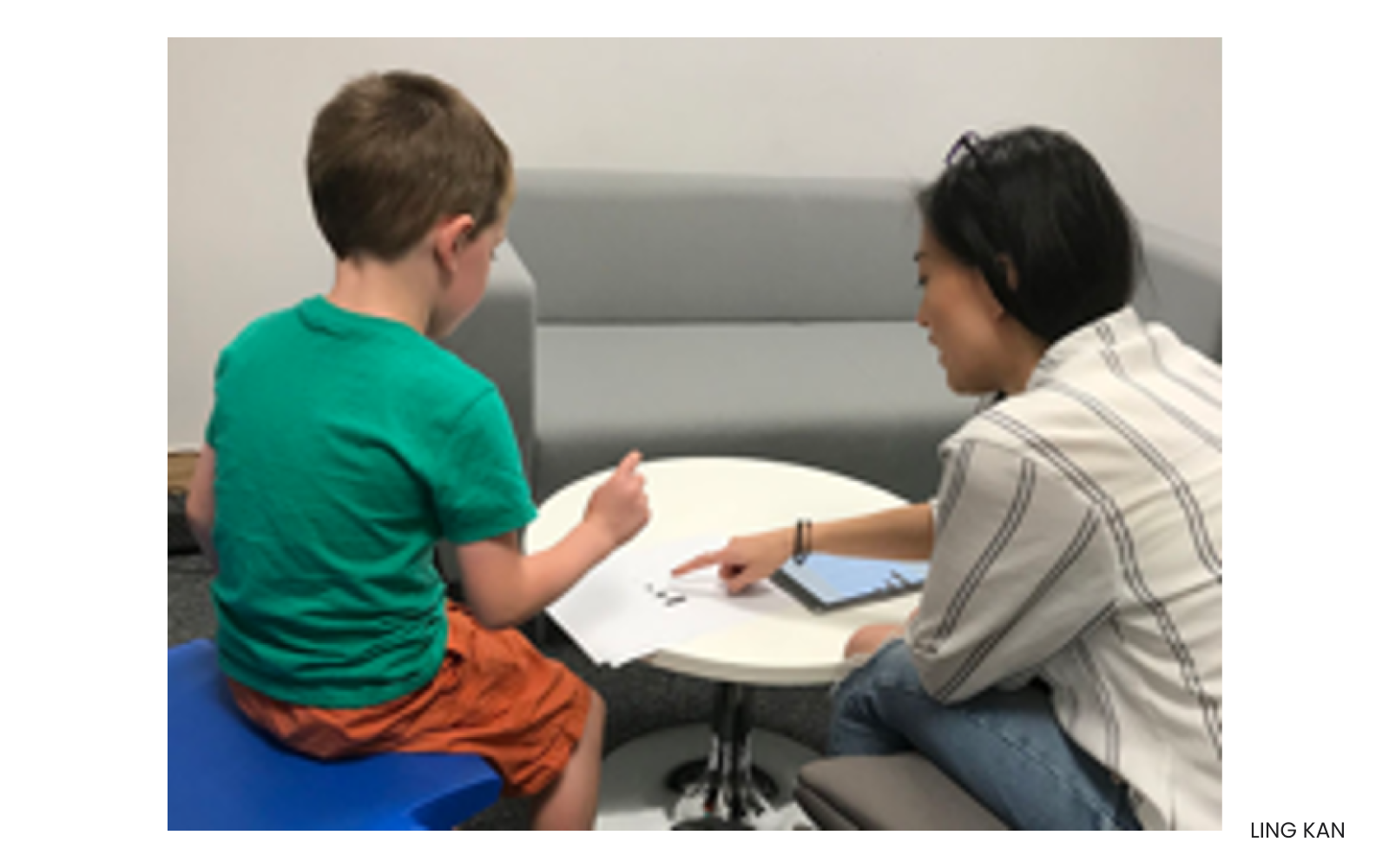
Figure 2: Interface architecture and scene progression models illustrating touch affordances and visual layout for the interactive storybook.
Scaffolding architecture: Dialogic reading vs. Theory of Mind
To test how digital prompts stimulate language, I implemented an audio trigger engine that delivered two distinct scaffolding approaches:
- Basic Dialogic Reading prompts: Focused on perceptual details, object identification, and event sequencing (e.g., "What do you see on this page? What is happening next?").
- Theory of Mind (ToM) prompts: Focused on internal states, character intentions, and socio-emotional reasoning (e.g., "Why do you think the girl wants to fly? How does she feel right now?").
Front-end development and deployment
I programmed the prototype as an offline-capable, responsive web application. Tablet deployment required minimal latency on audio event triggers and smooth rendering of high-resolution scene assets. I created an audio-visual timing controller that matched visual cues with voice prompts, ensuring non-blocking transitions so children remained fully in control of page pacing.
Why I made these decisions
- Chosen approach: Audio scaffolding over animated overlays. Interactive children's e-books often over-rely on "gamified" tap animations (e.g., tapping a tree makes birds fly). I intentionally omitted decorative animations because cognitive research shows they distract from narrative focus. Instead, audio prompts prompted verbal storytelling while keeping visual scenes static and exploratory.
- Zero-text interface with high-contrast touch targets. Given that 3-to-5-year-olds are still developing fine motor control, all interactive regions were engineered with generous margins (minimum 64x64px equivalent) and obvious tactile feedback states (subtle scaling and auditory confirmation).
- Testing in authentic community environments. Rather than conducting sessions in an artificial laboratory, we evaluated the application in socio-economically disadvantaged schools and community centres across the UK. This surfaced critical real-world friction, such as classroom ambient noise interfering with voice playback, driving adjustments to prompt volume balancing and speaker cue visibility.
Impact / results
The project achieved significant academic and practical validation, demonstrating that independent digital interaction can facilitate early language development:
- Rigorous field trial: Successfully tested across 35 children aged 3 to 6 in a socio-economically disadvantaged UK region over weekly longitudinal cycles.
- Measurable narrative production: Observational data evaluated against the Oxford Primary English Assessment framework showed significant gains in spontaneous verbalisation and descriptive vocabulary.
- Theory of Mind outcomes: Data revealed that ToM audio prompts elicited a higher proportion of meaningful narrative responses and emotional vocabulary than standard dialogic reading prompts.
- Peer-reviewed publication: The project was published in the International Journal of Child-Computer Interaction (Elsevier):
Rubegni, E., Dore, R., Landoni, M. and Kan, L., 2020. "The girl who wants to fly": Exploring the role of digital technology in enhancing dialogic reading. International Journal of Child-Computer Interaction, 26, p.100239.
- Design framework output: Formulated six core Child-Computer Interaction (CCI) design challenges to guide future industry product teams creating independent digital learning tools for young children.
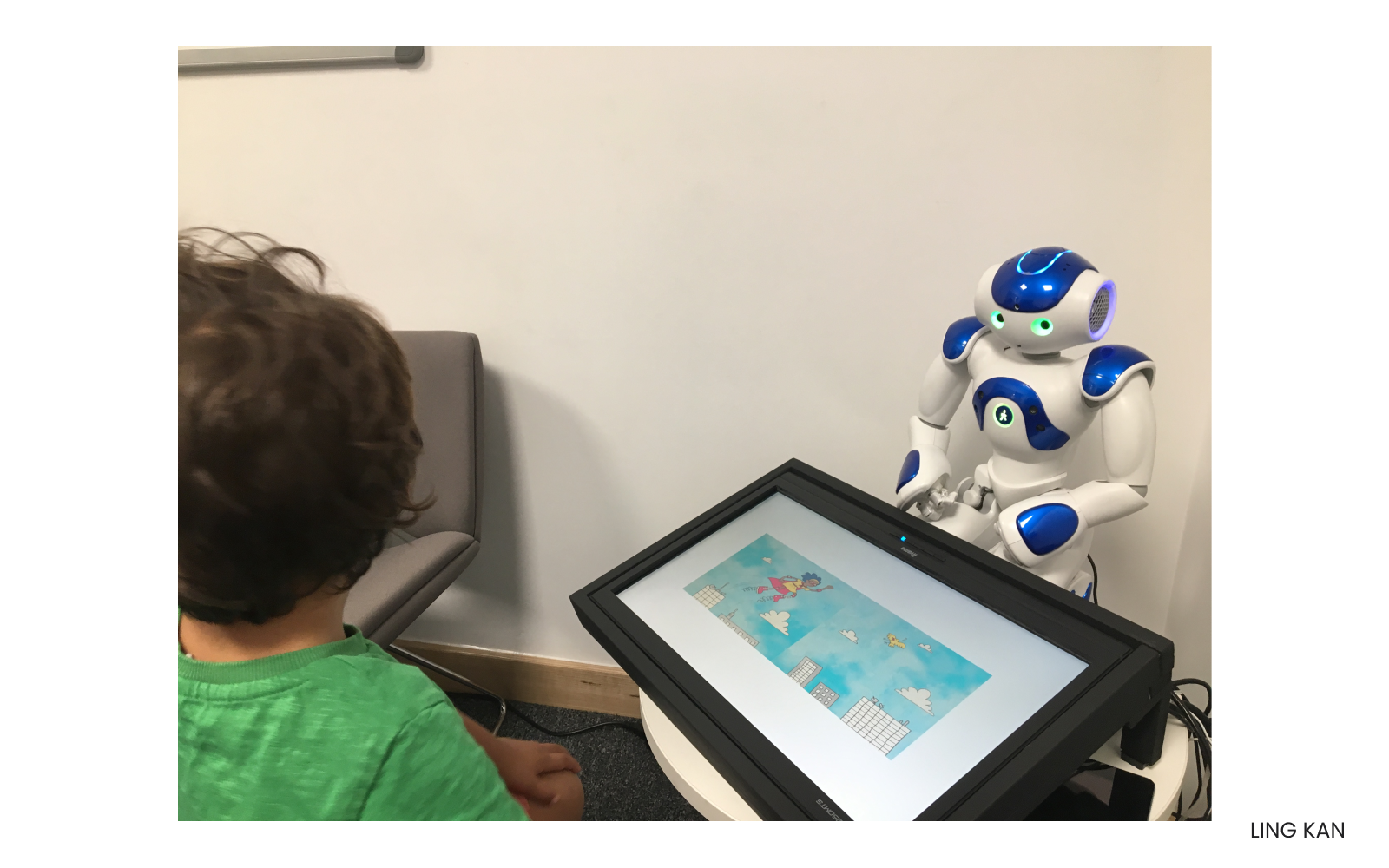
Figure 3: Iterative design variants and component breakdowns developed to support multimodal feedback and autonomous child engagement.
Tools and skills applied
| Category | Tools / skills |
|---|---|
| Design & Prototyping | Figma, Adobe XD, Interaction Design, Child-Computer Interaction (CCI), Visual Asset Design |
| Engineering & Delivery | HTML5, CSS3, JavaScript, Responsive Mobile Web, Audio API integration, Git/GitHub |
| Research & Evaluation | Longitudinal field usability testing, Oxford Primary English Assessment, Dialogic Reading frameworks, Qualitative coding |
| Product Management | Academic stakeholder management, Ethics compliance, Experimental design |
Roles performed on this project
- Product Designer (UI/UX): Led interface architecture, visual layout, touch interaction models, and zero-text design systems.
- Front-End Developer: Programmed the working interactive prototype for tablet devices, integrating responsive web layouts and audio event engines.
- Co-Researcher (HCI): Co-designed empirical testing protocols, ran classroom observation sessions with children aged 3–6, and contributed to academic research write-ups.